
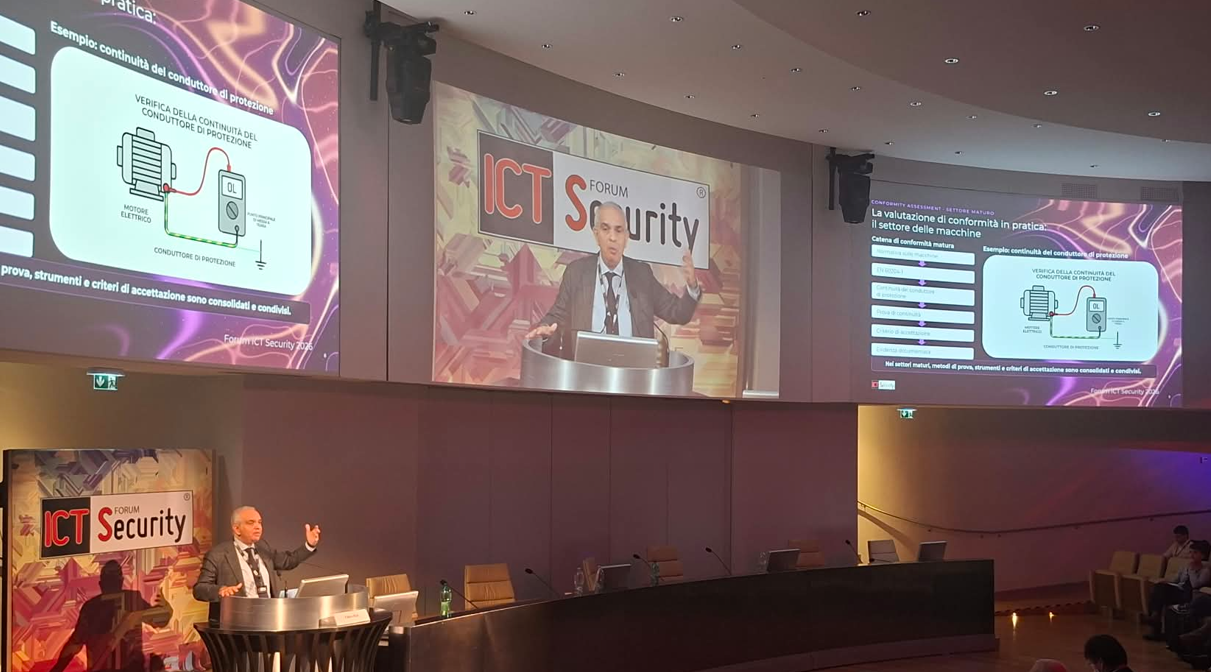
On November 18th 2026, Professor Fabio Roli, Principal Investigator of the InfoAICert project, spoke at Forum ICT Security 2026 in Rome, presenting the relationship between scientific research on artificial intelligence security and the challenges posed by the European AI Act.
In his presentation, entitled “Dalla ricerca pionieristica sulla sicurezza dell'AI alla conformità all'AI Act: la sfida del progetto InfoAIcert” (“From Pioneering AI Security Research to AI Act Compliance: The InfoAICert Project Challenge”), Roli reviewed more than two decades of research into AI system security, highlighting the gap that still exists between scientific knowledge and its practical application in conformity assessment.
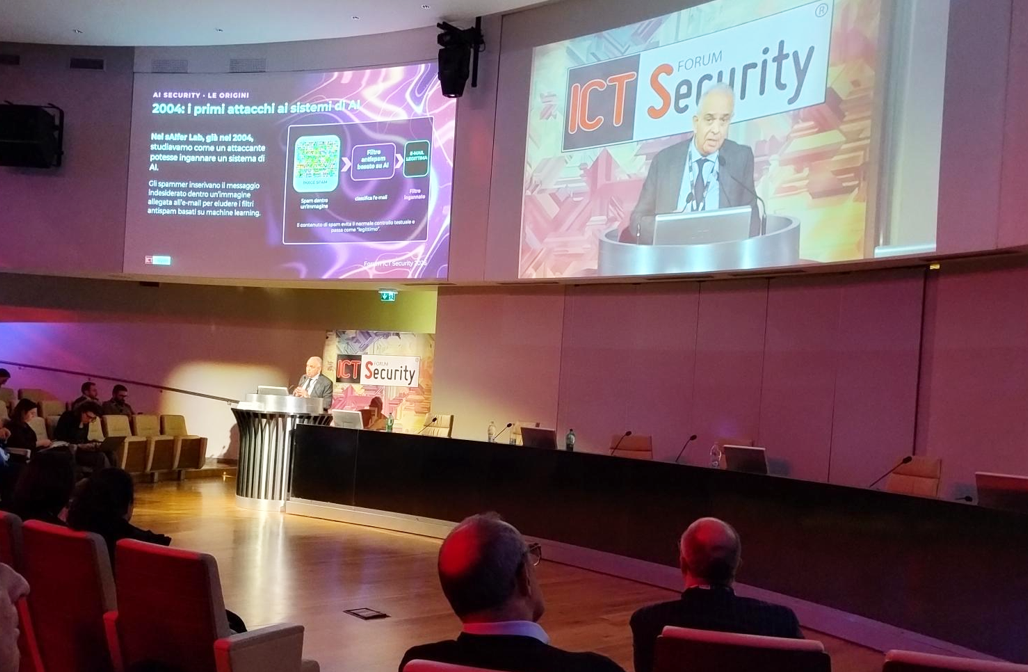
Twenty Years of AI Security Research
As early as 2004, researchers at the sAIfer Lab were investigating techniques used to evade machine learning-based spam filters. In the following years, research expanded to address a wide range of vulnerabilities in artificial intelligence systems, from evasion attacks and training data manipulation to privacy risks and model theft.
These advances have led to the development of evaluation methods and potential countermeasures. However, assessing the security of a specific AI system remains a complex task, heavily dependent on expert knowledge and the context in which the system is deployed.
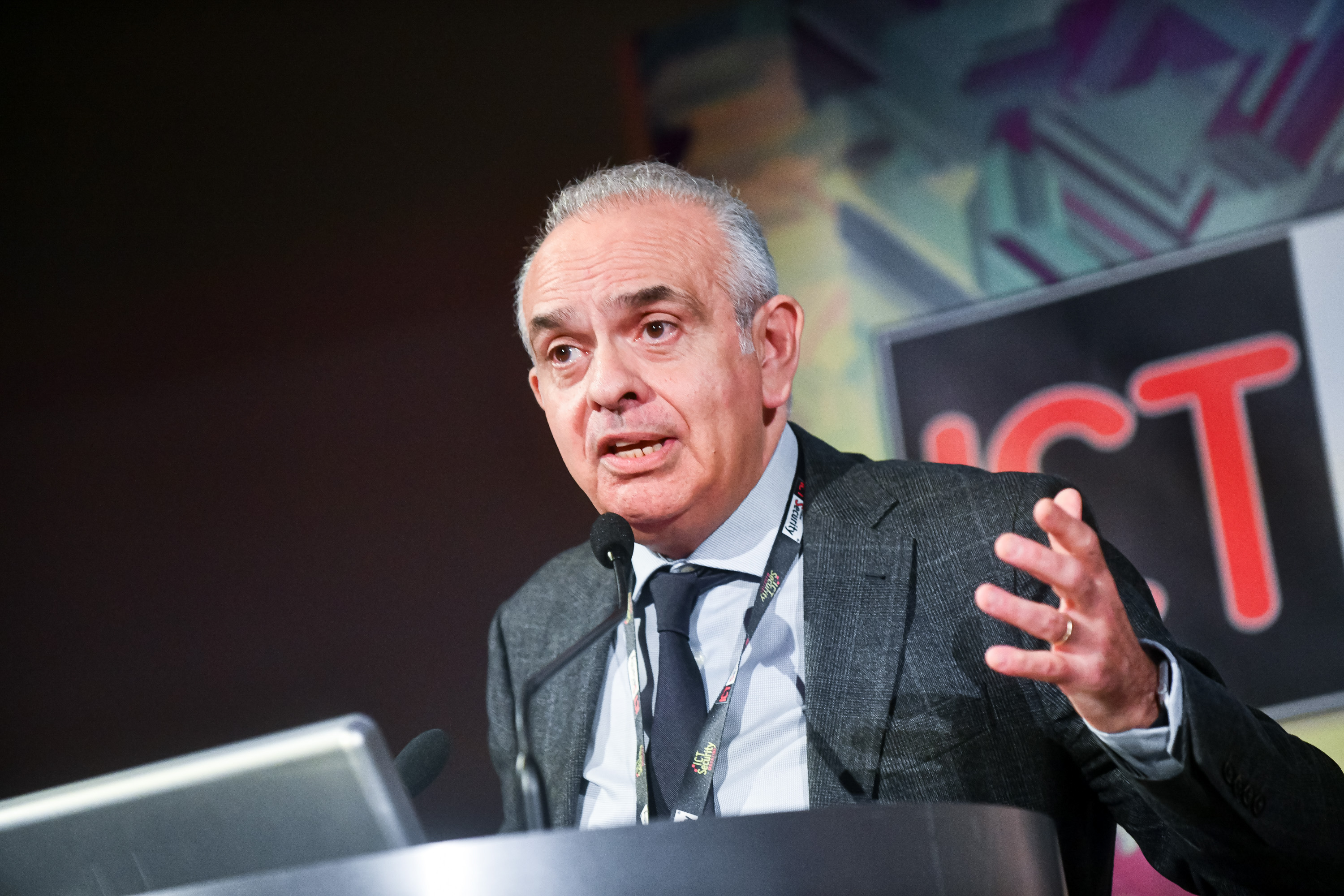
The Conformity Assessment Gap: From Requirements to Testing
With the introduction of the AI Act, translating scientific knowledge into practical assessment procedures has become increasingly important.
As Roli explained, while mature industrial sectors rely on established testing methods and acceptance criteria, many of these elements have yet to be defined for artificial intelligence.
A general requirement, such as assessing robustness against attacks, raises several questions: which attacks should be considered, under what conditions should tests be conducted, how should results be measured, and which criteria should determine whether a system meets the requirement?
This is the Conformity Assessment Gap: the challenge of translating regulatory requirements into technically sound, repeatable and documented assessment procedures, tailored to the characteristics and intended use of individual AI systems.
The InfoAICert Challenge
The InfoAICert project aims to help bridge this gap by developing methods and tools to support the conformity assessment of artificial intelligence systems against the AI Act and future harmonised standards.
The project combines scientific research and technological development, with the aim of developing a platform to support conformity assessment activities. Its research efforts focus on translating specialised methodologies and expertise into tools that can enable technically sound, structured and documented assessments, without replacing expert judgement.
As Roli emphasised, the project's ambition is to make AI Act compliance technically feasible for many, not just a few. This approach aims to make assessment activities more accessible to organisations that may lack highly specialised in-house expertise, supporting broader implementation of AI safety and trustworthiness requirements.
InfoAICert is funded by the Italian Ministry of University and Research (MUR) through the Italian Fund for Applied Sciences (FISA).
The project brings together Tinexta Infocert, the University of Genoa and sAIfer Lab – Joint Lab on Safety and Security of AI.


